Guide
UK e-bike law changes: what has changed and what is proposed
Published
Note: This page contains affiliate links. If you buy through them we may earn a commission at no extra cost to you. Learn more
In short
The main changes to UK e-bike law came in 2015, when the EAPC rules moved to a 250 W continuous rated motor and a 15.5 mph (25 km/h) assist limit and dropped the old weight limits, and from 2016, when twist-and-go bikes needed type approval. Since then the core rules have stayed broadly the same, although proposals and consultations come up from time to time. Always check gov.uk for the rules currently in force.
Products for this job
Compare all 5 productsCarpat GB1: EN 15194 certified, Shimano hydraulics
Check price on AmazonAffiliate linkSAMEBIKE XD26-II: 672 Wh, hydraulic brakes
Check price on AmazonAffiliate linkSAMEBIKE RS-A01MEN: 540 Wh, 50 Nm, 27.5 in
Check price on AmazonAffiliate link
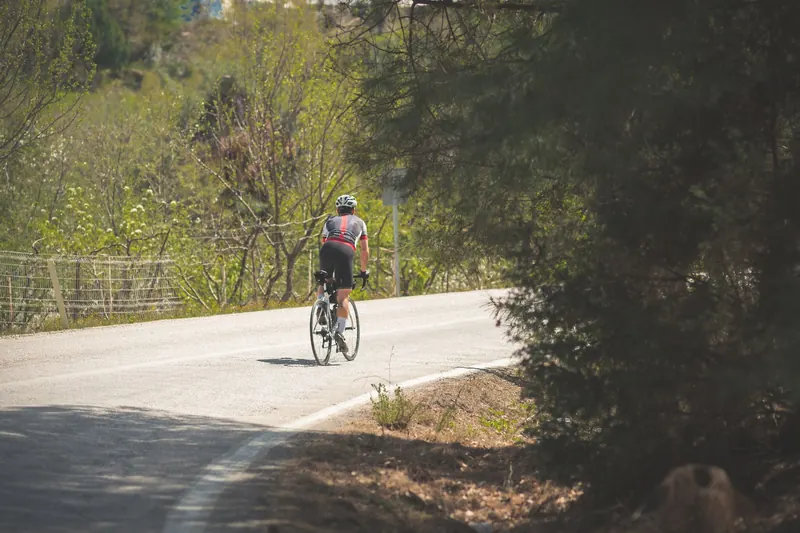
Search for e-bike law changes and you will find a mix of history, proposals and news stories about police seizures. It is easy to come away thinking the rules have changed when they have not, or the other way round. This guide separates what has actually changed, what is often discussed and what is simply better enforcement of existing rules. It is general information, not legal advice. Because this area moves, the reliable source is always the gov.uk electric bike rules page.
The 2015 amendment
The Electrically Assisted Pedal Cycles Regulations date back to 1983. In 2015 they were amended to bring Great Britain into line with the European standard used across much of Europe. The headline changes were a motor limit of 250 W continuous rated power, up from 200 W for most two-wheelers, an assist limit of 15.5 mph (25 km/h), up from 15 mph, and the removal of the old maximum weight limits for bikes and tricycles.
These are the rules most riders know today, and they are the basis of the EAPC checklist in our UK e-bike law explained guide.
| Item | Before 2015 | From 2015 |
|---|---|---|
| Motor limit | 200 W for most bikes (250 W for tandems and tricycles) | 250 W continuous rated |
| Assist limit | 15 mph | 15.5 mph (25 km/h) |
| Weight limit | Set limits for bikes and tricycles | Removed |
| Minimum rider age | 14 | 14 |
Twist-and-go and type approval from 2016
From 2016, a bike that could be ridden using a throttle alone, without pedalling, needed type approval as a light motor vehicle. A start or walk assist up to 6 km/h remained allowed on an EAPC. In practice this is why most UK-market e-bikes have a walk button rather than a full throttle.
Owners of older throttle bikes sometimes find the position confusing. If that is you, check gov.uk rather than relying on forum posts. Our throttle rules guide explains the 6 km/h allowance.
Proposals and consultations
Over the years there has been public discussion about whether the UK rules should change, for example on motor power for cargo and adaptive bikes, throttles, and how e-scooters should be regulated. Discussion and consultation are not the same as a change in the law. Until new rules are made and come into force, the existing EAPC rules apply.
If you read that a change is coming, look for the official announcement and the date it takes effect on gov.uk. Be wary of sellers who suggest a bike will become legal soon. Buy a bike that is legal now.
Note:Rules can change. This page does not track every proposal. Check gov.uk for the rules in force before you buy or ride, and treat this page as general information rather than legal advice.
Enforcement news is not a new law
Stories about police seizing illegal e-bikes, often in cities, usually involve bikes that already broke the rules: high-power motors, full throttles or derestricted controllers. These are treated as motor vehicles ridden without insurance, registration or a licence. The rules for a genuine 250 W pedal-assist EAPC have not changed because of these operations.
Battery fires have also drawn attention to cheap chargers, modified packs and poor-quality conversions. Product safety rules and fire service advice are separate from the EAPC road rules, but they are worth following. Use the charger supplied with your battery and charge where you can keep an eye on it.
E-scooters are a separate question
Changes to e-scooter rules are often reported alongside e-bikes. Privately owned e-scooters are not legal on public roads, pavements or cycle lanes outside the government's rental trials in selected areas. Any future scooter rules would not automatically change the EAPC rules for e-bikes. Our e-bike vs electric scooter guide explains the difference.
How to stay on the right side of the rules
The simplest approach is to buy a bike sold as a UK EAPC, keep it as supplied and check the plate. Avoid dongles and settings changes that lift the speed limit. If you convert a bike, set the controller to 25 km/h and limit any throttle to 6 km/h. Our EAPC plate markings guide shows what the plate should say.
If you are shopping now, our guides to electric hybrid bikes and electric bikes under 1,000 focus on 250 W pedal-assist bikes.
- 1
Read the gov.uk electric bike rules page.
- 2
Check the bike's plate for maker, power and voltage or speed.
- 3
Confirm the assist limit in the display settings.
- 4
Leave the bike unmodified for road use.
Frequently asked questions
Has the UK e-bike power limit gone up to 500 W? Not as far as the established rules go. The EAPC limit is 250 W continuous rated power. Check gov.uk for any change in force.
Did the law change for e-bikes in 2025 or 2026? Check gov.uk for the current position. The core EAPC rules on 250 W and 15.5 mph have been in place since 2015.
Are throttles now allowed? A start or walk assist up to 6 km/h is allowed on an EAPC. Full twist-and-go needs type approval.
Where is the official source? The gov.uk page on electric bike rules, which links to the regulations.
What you need
- Check price on AmazonAffiliate link
Carpat GB1: EN 15194, Shimano hydraulic discs
- Check price on AmazonAffiliate link
Hiplok DX1000: Powered Cycle Diamond, 32 mm