Guide
Do you need insurance for an e-bike in the UK?
Published
Note: This page contains affiliate links. If you buy through them we may earn a commission at no extra cost to you. Learn more
In short
No. If your e-bike meets the EAPC rules (250 W continuous rated motor, assistance cutting out at 15.5 mph, pedal assist only), insurance is not a legal requirement in Great Britain. Many owners still choose cover because e-bikes are valuable and a target for thieves. The main options are home contents cover, specialist cycle insurance and third-party liability cover. An e-bike outside the EAPC rules is a motor vehicle and does need motor insurance.
Products for this job
Compare all 7 productsHiplok DX1000: Powered Cycle Diamond, 32 mm
Check price on AmazonAffiliate linkHiplok D1000: Diamond and ART 4 star
Check price on AmazonAffiliate linkKryptonite New York Diamond: 26 mm
Check price on AmazonAffiliate link
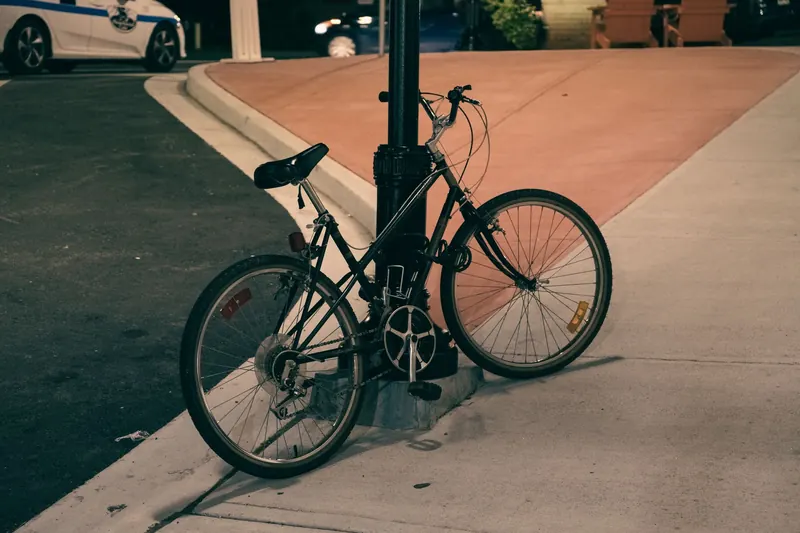
E-bikes cost more than most pedal bikes and are popular with thieves, so it is natural to wonder about insurance. The legal answer is simple for a road-legal e-bike, but the practical answer depends on where you keep the bike, how you use it and what you already have. This guide explains when insurance is required, what the main types of cover do and the questions to ask before you buy a policy. It is general information, not financial or legal advice.
The legal position
gov.uk says you do not need insurance for an electric bike that meets the electrically assisted pedal cycle (EAPC) rules, just as you do not need it for an ordinary bicycle. You also do not need a licence, registration or tax. The rules are summarised in our UK e-bike law explained guide.
An electric bike that does not meet the EAPC rules is classed as a moped or motorcycle. Riding one on the road requires motor insurance, along with registration, tax and a licence. In practice most high-power bikes sold online cannot be insured for road use because they lack type approval.
Note:This page is general information, not legal or financial advice. Check gov.uk for the rules in force and read any policy wording carefully before relying on it.
The main types of cover
There are three broad ways people cover an e-bike. Each protects against different things, so it helps to know what problem you are trying to solve.
| Type of cover | What it usually protects | Things to check |
|---|---|---|
| Home contents insurance | Theft or damage at home, sometimes away from home if added | Single item limits, whether e-bikes are included, lock and storage conditions |
| Specialist cycle insurance | Theft, accidental damage, sometimes away from home and while travelling | Approved lock rules, battery cover, excess, new for old terms |
| Third-party liability | Claims if you injure someone or damage property | Whether e-bikes are included, the cover limit, exclusions |
| Personal accident | Benefits if you are injured | What injuries and situations are covered |
Home contents insurance and e-bikes
Some home contents policies cover bicycles at home, and some extend cover away from home for an extra premium. E-bikes are not always treated like pedal bikes, and policies often have a single item limit, so a valuable e-bike may need to be named on the policy. Some insurers also ask about where the bike is stored and how batteries are charged.
Ring your insurer or check the policy wording rather than assuming your bike is covered. Tell them if you have converted a bike or added accessories.
Specialist cycle insurance
Specialist cycle policies are designed around bikes, so they usually cover theft away from home and accidental damage, and some include extras such as cover while travelling or for accessories. Most have conditions on locks. A common requirement is a lock with a particular security rating, used to secure the frame to an immovable object.
If a policy names a Sold Secure rating, choose a lock that meets it. Our e-bike lock guide lists heavy-duty D-locks and chains with their stated ratings.
Third-party liability cover
Third-party cover pays out if you are found liable for injuring someone or damaging their property while riding. It is not a legal requirement for an EAPC, but some riders value it, especially on shared paths or in busy towns. Some cycling membership organisations include third-party cover as a membership benefit, and some cycle policies add it. Check that e-bikes are included and what the limits are.
Cargo bikes and bikes used for work may need different cover. If you ride for a delivery company or business, ask whether their policy covers you.
Questions to ask before you buy a policy
Policies vary widely, so a short checklist saves surprises later. Read the key facts document and policy wording, not just the summary.
- Does the policy cover e-bikes, and up to what value?
- Is the battery and charger covered against theft and damage?
- Which locks are approved, and how must the bike be secured?
- Is theft from a shed, garage or communal store covered?
- Is there cover away from home and while travelling?
- What is the excess, and is repair or replacement new for old?
- Are modified or converted bikes covered?
Reducing the risk anyway
Insurance helps after the event, but prevention matters more. Use a good lock, ideally two of different types, lock to something solid and take the battery and display with you if they are removable. Keep a record of the frame number, photos and proof of purchase. Store the bike indoors or in a secure, locked space. For carrying children or shopping, a bike trailer can be easier to store than a bigger cargo bike.
Frequently asked questions
Is e-bike insurance compulsory in the UK? No, not for a bike that meets the EAPC rules. It is a personal choice.
Does my home insurance cover my e-bike? It may, but often with limits or conditions. Check the policy wording or ask your insurer.
Do I need insurance for a 1000 W e-bike? A bike outside the EAPC rules is a motor vehicle, so road use would need motor insurance, registration, tax and a licence. Most such bikes cannot be registered.
Will a cheap lock invalidate my cover? It can, if the policy names a minimum lock rating. Check the terms and use the lock they require.
What you need
- Check price on AmazonAffiliate link
Hiplok DX1000: Powered Cycle Diamond, 32 mm
- Check price on AmazonAffiliate link
Carpat GB1: EN 15194, Shimano hydraulic discs
- Check price on AmazonAffiliate link
Burley Honey Bee: 2 seats, e-bike friendly