How-to
How to clean an e-bike without damaging it
Published
Note: This page contains affiliate links. If you buy through them we may earn a commission at no extra cost to you. Learn more
In short
Remove the battery and switch the system off, then rinse the bike gently with a hose on a low setting or a bucket and sponge. Use a bike-specific cleaner, keep water away from the motor seals, connectors and display, and never use a pressure washer on bearings or electrics. Dry the bike, clean and lubricate the chain, and refit the battery once the contacts are dry.
Products for this job
Compare all 5 productsCarpat GB1: EN 15194 certified, Shimano hydraulics
Check price on AmazonAffiliate linkSAMEBIKE XD26-II: 672 Wh, hydraulic brakes
Check price on AmazonAffiliate linkSAMEBIKE RS-A01MEN: 540 Wh, 50 Nm, 27.5 in
Check price on AmazonAffiliate link
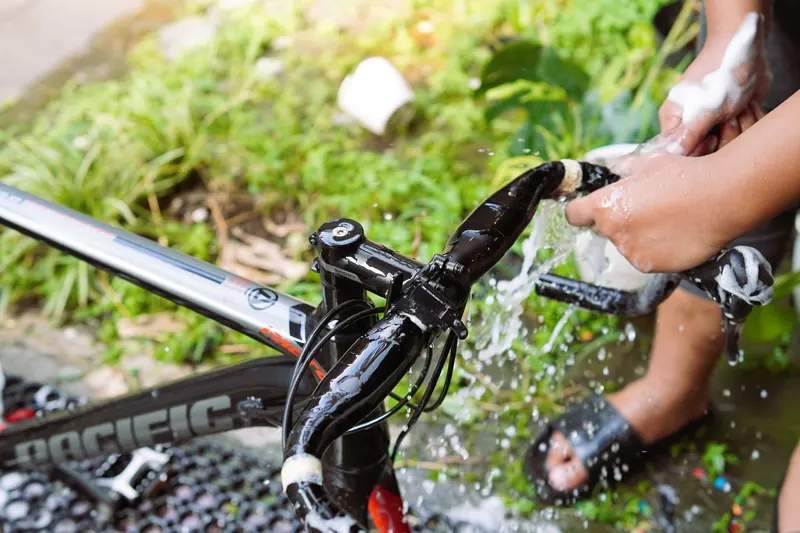
E-bikes are built to cope with rain, but they are not built to be blasted with a jet wash. Water forced into connectors, bearings and the motor can cause faults that are tedious and costly to fix. Cleaning regularly, especially after salty winter roads, also helps your brakes and drivetrain last longer. This guide covers what you need, the order to work in and the parts to treat gently. Some makers give specific cleaning advice, so check your manual too.
What you need
You do not need specialist kit, but a few bike-specific items make the job easier and gentler on the electrics.
- A bucket of warm water and a soft sponge or brushes
- A bike-specific cleaner that is safe on brakes, seals and paint
- A chain degreaser and chain lubricant
- Clean, dry cloths or microfibre towels
- A hose on a gentle setting, or just buckets of water
- Disposable gloves
Step by step: cleaning an e-bike
Work from the top of the bike down, and from cleaner parts to dirtier ones.
- 1
Switch off the system and remove the battery. Keep it indoors.
- 2
Cover the battery contacts on the bike if the maker suggests it, or point them away from the water.
- 3
Rinse off loose mud gently with a low-pressure hose or wet sponge.
- 4
Apply bike cleaner to the frame, wheels and tyres and work it in with a soft brush.
- 5
Clean around the motor and display with a damp cloth rather than spraying them.
- 6
Degrease the chain, cassette and chainring, keeping degreaser off the brake discs and pads.
- 7
Rinse gently, then dry the whole bike with clean cloths.
- 8
Lubricate the chain, wipe off the excess, and let the bike dry fully indoors.
- 9
Check the battery contacts are dry before refitting the battery.
What to avoid
Pressure washers are the biggest risk. A jet of water can push past seals into the motor, hub bearings, bottom bracket and plug connectors. Even if the bike seems fine afterwards, corrosion can start inside and show up weeks later as intermittent faults.
Do not submerge the bike, do not spray degreaser near brake discs or pads, and do not use harsh household chemicals that can damage seals and plastics. Never immerse the battery in water or clean it with anything other than a damp cloth.
Note:Do not use a pressure washer on an e-bike's motor, battery, display, connectors or bearings. Never wet the battery terminals or charge port, and do not charge a battery that has been soaked or dropped; have it checked by a specialist first.
The motor, display and battery
Treat the electrical parts gently. Wipe the motor casing with a damp, soapy cloth and rinse the cloth rather than the motor. For the display, use a barely damp microfibre cloth and dry it straight away; avoid solvents that can cloud the screen. Leave the display plug connected while cleaning so water cannot reach the pins.
Clean the battery casing with a damp cloth only, with the battery off the bike. Check the terminals on the battery and the mount for dirt or corrosion and clean them with a dry cloth or a soft dry brush. Some riders apply a thin film of contact grease made for electrical connectors, but check your manual first, because some makers advise against it.
After UK winter roads
Road salt and grit speed up corrosion of chains, bolts and electrical contacts. In winter, give the bike a quick rinse and dry after salty rides, even if you do not have time for a full clean. Pay extra attention to the chain and the battery mount contacts.
Store the bike somewhere dry if you can, and bring the battery indoors. Our battery storage guide covers winter care, and if your display has started playing up after wet weather, see our guide to an e-bike display not working.
How often to clean and check
A quick wipe and chain lube every week or two of regular riding keeps things running smoothly. A fuller clean every month, or after any very muddy or salty ride, is a good habit. Each time you clean, it is worth looking over the bike for problems.
| Part | What to look for |
|---|---|
| Brake pads and discs | Thin pads, contamination, rubbing |
| Tyres | Cuts, embedded glass, worn tread, correct pressure |
| Chain | Stiff links, rust, stretch |
| Cables and connectors | Rubbing, pinching, loose plugs |
| Battery mount | Clean dry contacts, secure lock |
Frequently asked questions
Can you wash an e-bike with a hose? Yes, on a gentle setting. Avoid aiming water directly at the motor, display, connectors or bearings.
Can I ride an e-bike in the rain? E-bikes are designed for rain. The problem is high-pressure water, not normal weather.
Do I need a special e-bike cleaner? Any bike-specific cleaner that is safe on brakes, seals and paint will do. Avoid harsh household chemicals.
Should I remove the battery before cleaning? Yes. It protects the battery and makes the bike lighter and easier to handle.
What you need
- Check price on AmazonAffiliate link
Carpat GB1: EN 15194, Shimano hydraulic discs
- Check price on AmazonAffiliate link
Hiplok DX1000: Powered Cycle Diamond, 32 mm