Guide
What is an electric hybrid bike?
Published
Note: This page contains affiliate links. If you buy through them we may earn a commission at no extra cost to you. Learn more
In short
An electric hybrid bike is a hybrid bicycle, a cross between a road bike and a mountain bike, fitted with a pedal-assist motor and battery. It has an upright position, flat handlebars and medium-width tyres for roads, cycle paths and light gravel. "Hybrid" refers to the bike type, not the power source; the motor only helps while you pedal.
Products for this job
Compare all 5 productsCarpat GB1: EN 15194 certified, Shimano hydraulics
Check price on AmazonAffiliate linkSAMEBIKE XD26-II: 672 Wh, hydraulic brakes
Check price on AmazonAffiliate linkSAMEBIKE RS-A01MEN: 540 Wh, 50 Nm, 27.5 in
Check price on AmazonAffiliate link
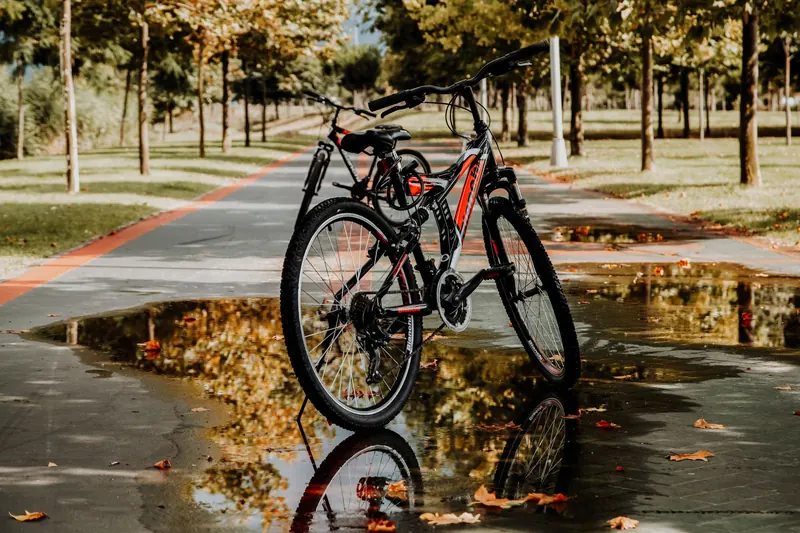
The word hybrid causes confusion with e-bikes, because hybrid cars combine an engine and a battery. In cycling, hybrid means something different: a bike that mixes features of road and mountain bikes. An electric hybrid simply adds a motor to that versatile design. This guide explains what defines a hybrid, how the electric version works, and how it compares with city, trekking, road and mountain e-bikes, so you can see whether it suits your riding.
What makes a bike a hybrid
Traditional hybrids take the light frame and larger wheels of a road bike and combine them with the flat handlebars, upright position and wider gearing of a mountain bike. Tyres are wider than a road bike's but smoother than a mountain bike's. The result is comfortable and versatile for everyday riding.
Most hybrids have mounts for mudguards and racks, which makes them popular for commuting and leisure riding.
How an electric hybrid works
An electric hybrid adds a motor (in the front hub, rear hub or at the cranks), a battery, a controller, a pedal-assist sensor and a display. When you pedal, the motor adds power according to the assist level you choose. To be ridden on UK roads like a normal bike, it must meet the EAPC rules: motor no more than 250 W continuous, assistance cutting out at 15.5 mph, and no throttle above walking pace.
So an electric hybrid is not a hybrid in the car sense. You still pedal, and the motor helps.
CROSSBAR HYBRID
Dashed line: standover height
STEP-THROUGH
Dashed line: standover height
FOLDING 20 INCH
Dashed line: standover height
LONGTAIL CARGO
Dashed line: standover height
Electric hybrid vs other e-bike types
The lines between types are blurred, and makers use the labels differently. This table shows the usual differences.
| Type | Position and tyres | Best for |
|---|---|---|
| Electric hybrid | Upright, flat bars, medium tyres | Commuting, paths, light gravel |
| City e-bike | Very upright, often step-through, mudguards and lights | Short town trips in normal clothes |
| Trekking e-bike | Hybrid-like with racks, lights and bigger batteries | Touring and long days |
| Road e-bike | Drop bars, narrow tyres, lighter | Faster road riding |
| Electric mountain bike | Suspension, wide knobbly tyres | Trails and rough ground |
Hub motor or mid-drive on a hybrid
Electric hybrids come with both main motor types. Rear hub motors are common on more affordable models. They are simple, quiet and leave the gears and chain much as they would be on a normal bike. Mid-drive motors sit at the cranks and drive through the gears, which gives strong, efficient help on hills and a balanced feel because the weight sits low and central.
Front hub motors also appear, especially on budget bikes and conversion kits. They can feel as if the bike is being pulled, and they are less suited to loose surfaces. Our hub motor vs mid-drive guide covers each in more detail.
Living with an electric hybrid
Electric hybrids are heavier than ordinary hybrids, often by several kg, so think about stairs and storage. A removable battery lets you charge indoors if the bike lives in a shed or bike store. Charge with the supplied charger while you are at home and awake, and keep the battery away from escape routes.
They also need a little more maintenance than a normal bike. The extra weight and higher average speeds wear brake pads, chains and tyres faster. A good lock is essential, because e-bikes are attractive to thieves; see our e-bike lock guide.
Who an electric hybrid suits
Electric hybrids suit riders who want one bike for commuting, errands and weekend rides on tarmac, cycle paths and canal towpaths. They handle light gravel tracks well but are not designed for rough mountain bike trails.
They are available with crossbar and step-through frames in a range of sizes. Our e-bike size guide helps with fit, and our electric hybrid bike guide covers models available in the UK.
Features to look for
Once you know a hybrid is the right type, a few features make the difference in daily use.
- Battery capacity in Wh to match your commute; see our battery size guide.
- Hydraulic disc brakes for reliable stopping in the wet.
- Mudguards, a rack and integrated lights for year-round riding.
- A torque sensor if you want a smooth, natural feel.
- A removable battery if you need to charge indoors.
- A frame size or step-through design that fits you.
Frequently asked questions
Is a hybrid bike electric? Not necessarily. Most hybrids are ordinary bikes. An electric hybrid is a hybrid with a motor and battery added.
Do you need to pedal an electric hybrid? Yes. On a UK-legal EAPC, the motor only helps while you pedal, except for walk-assist up to 6 km/h.
Is an electric hybrid good for commuting? It is one of the most popular commuting choices because it is comfortable, practical and works on roads and paths.
What is the difference between an electric hybrid and a normal hybrid? The motor, battery and electronics, which add weight and help on hills. Our electric vs hybrid comparison covers this.
What you need
- Check price on AmazonAffiliate link
Carpat GB1: EN 15194, Shimano hydraulic discs
- Check price on AmazonAffiliate link
SAMEBIKE XD26-II: 672 Wh, 180 mm hydraulics